
Remembrance of things past
The Usonian looks back at 2025

Years later, when we look back at 2025, we might think of it as one of those great pivotal years in history, a year when the firmament of American society firmly shifted and gave way. In 2025, we saw what happened—and what fresh horrors came out—after the 2024 U.S. election opened Pandora’s Box.
Here in Southern California, the year began with a great burning, the destruction of an area the size of Washington, D.C. during the Eaton and Palisades fires. The year that followed involved a great erosion of American institutions, a destructive wake that will take decades to recover from, if at all. Lingering in the background was the specter of AI hype, a fallacy that might align with another mythic story—that of Midas. If everything Large Language Models touch turn to gold, then there won’t be any sample material for these LLMs to generate from, will there?
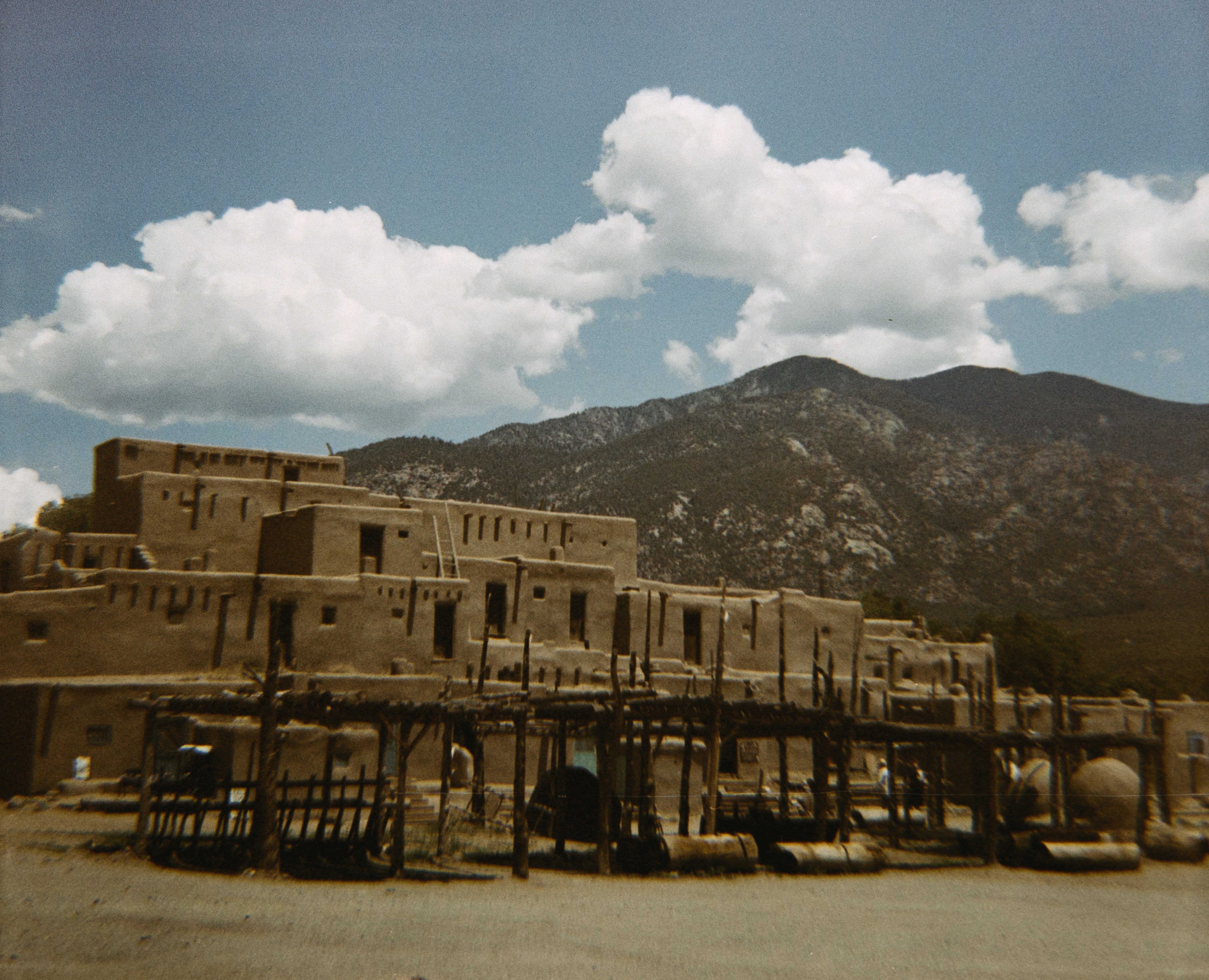
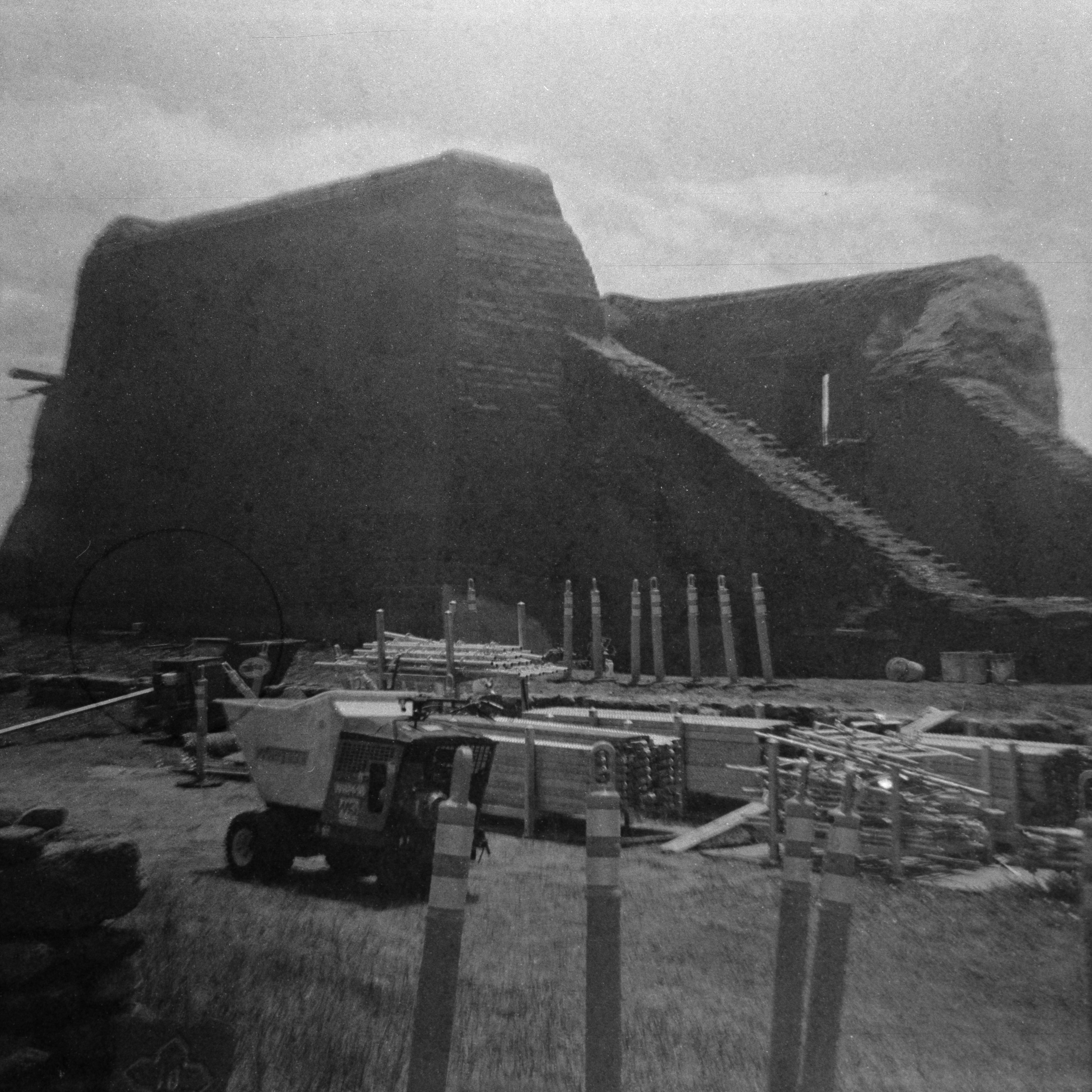
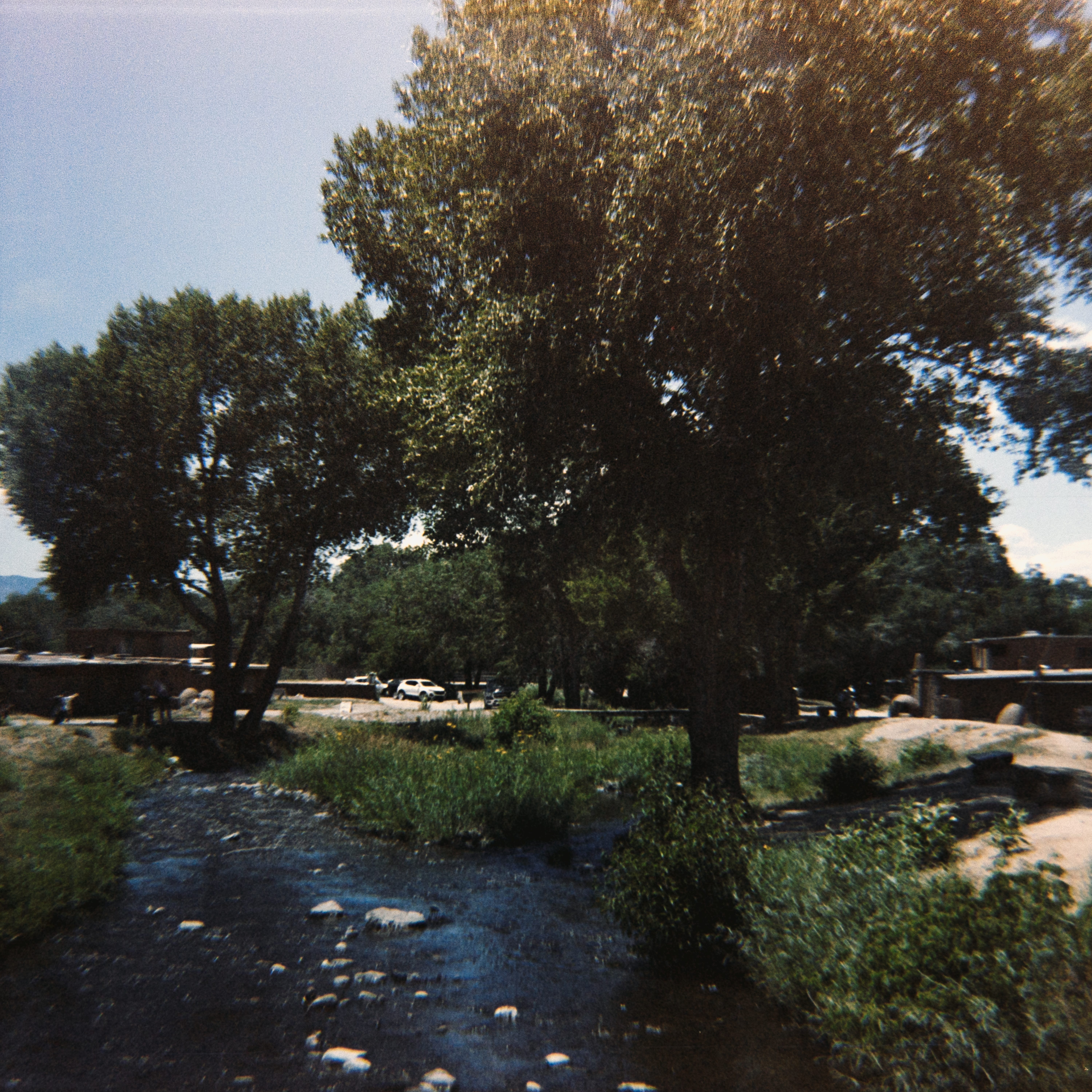
On my modest end of things, I spent part of the year retracing my steps. I returned to Taos, New Mexico, the location of my first job, and found a community that had in many ways changed since I’d been there in 2017, and certainly since the pandemic. Gone were the dilapidated motels and shuttered businesses—in came the boutique hotels and the gourmet sourdough épiceries. But the harsh and rugged landscapes, and the quirky and tenacious people—they remained the same.
But since my youthful adventure in Taos, I had changed, too. Compared to back then, I feel more confident in my abilities as a writer, but also recognize my limitations. And now, in a year when I traveled between Texas, Washington State, Florida, and Brooklyn, I feel like I can recognize when a scene is truly sublime, as Taos is, particularly when you drive up the Rio Grande canyon and see its Gorge continue as it slices across the mesa, the earth seemingly split in two.
In this annual post, I always list out some of my recommendations in the way of culture. First-up…
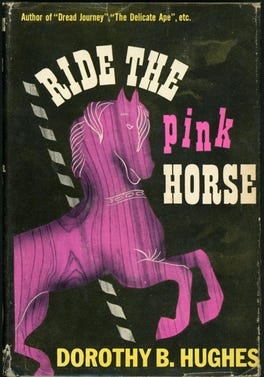
Favorite Novel: Dorothy B. Hughes’ Ride the Pink Horse (1947)
Strange title, eh? For this blog I have previously written about my appreciation of Hughes’ more famous novel, In a Lonely Place, which does such a great job of capturing West L.A.—at least, in the time that it was written. Well, Ride the Pink Horse is a crime novel that does the same for New Mexico, following a hood trying to shake down his old boss, a crooked Chicago-based Senator, during the Santa Fe fiesta, but befriends a young Native American girl instead and pays for her to go on the Merry Go-Round. Plenty has not aged well in this book, as the narrator trades words for Hispanic and indigenous characters that should never be repeated. But there’s something odd and specific about this little novel, which captures the weird feeling of Santa Fe as a sort of Southwest Disneyland, even in the 1940s.
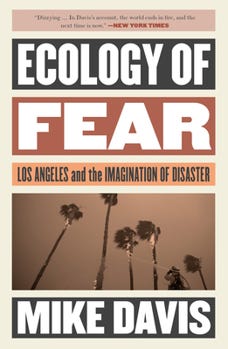
Favorite Nonfiction: Mike Davis’ Ecology of Fear (1998)
In the aftermath of the January 2025 Los Angeles fires, it seemed everyone I knew was reading this book. Mike Davis, who was best known for City of Quartz, his critical study of Los Angeles, was a writer who synthesized cultural histories, Marxist critiques, and journalism to produce texts, particularly about Southern California, that have a kaleidoscopic edge and have proved foundational to many other similar studies. In Ecology of Fear, he analyzed Los Angeles through the various natural disasters that befall the megalopolis and ultimately concludes that Southern California, despite its mild and inviting climate, is inherently a dangerous place to live, thanks to its curious geology and environment—we’ve got earthquakes, tornadoes, and mountain lions! And these disasters have been repeatedly depicted in Hollywood films and science fiction novels, depicting L.A. as an Atlantean place of hubris, poised for failure.
In his influential chapter “The Case for Letting Malibu Burn,” Davis argued that the Santa Monica mountains burn frequently enough (thanks to their unique positioning (vis-a-vis the hot and dry Santa Ana winds) that it may not be wise for anyone to live there long-term. After now seeing Malibu burn yet again, we’re starting to realize he may have been onto something.
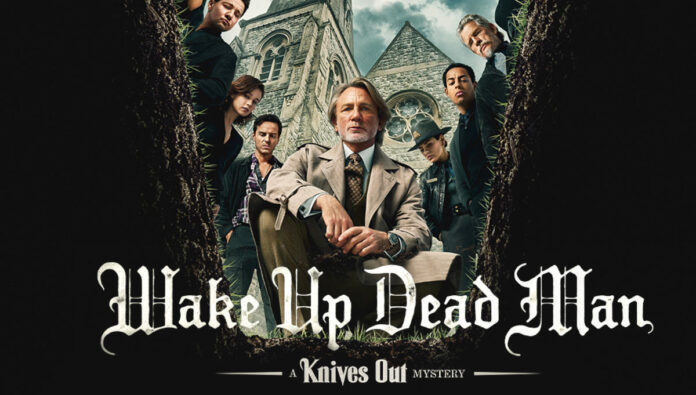
Favorite Film: Wake Up Dead Man (dir. by Rian Johnson, 2025)
I had a lot of great (One Battle after Another, Sinners) and absolutely terrible (Hurry Up Tomorrow) experiences at the cinema this year, but my favorite was watching the latest installment in the Knives Out series, Wake Up Dead Man. Through these films, Rian Johnson has resurrected the Agatha Christie ensemble detective story and breathed new life into it, and far more effectively than Kenneth Branagh’s recent Hercule Poirot adaptations.
And this one might be the best of the three. Relying on Josh O’Connor’s charm as an earnest priest, Daniel Craig’s detective character takes a firm backseat in this one, which examines the corruption of spirituality through a hateful priest (Josh Brolin’s) congregation. Liberally adapting from the tradition of locked-room mysteries, including a name-checked The Hollow Man by John Dickson Carr, Johnson has woven one of the most complicated mystery plots put to film that still manages to hold up as a master of the form.
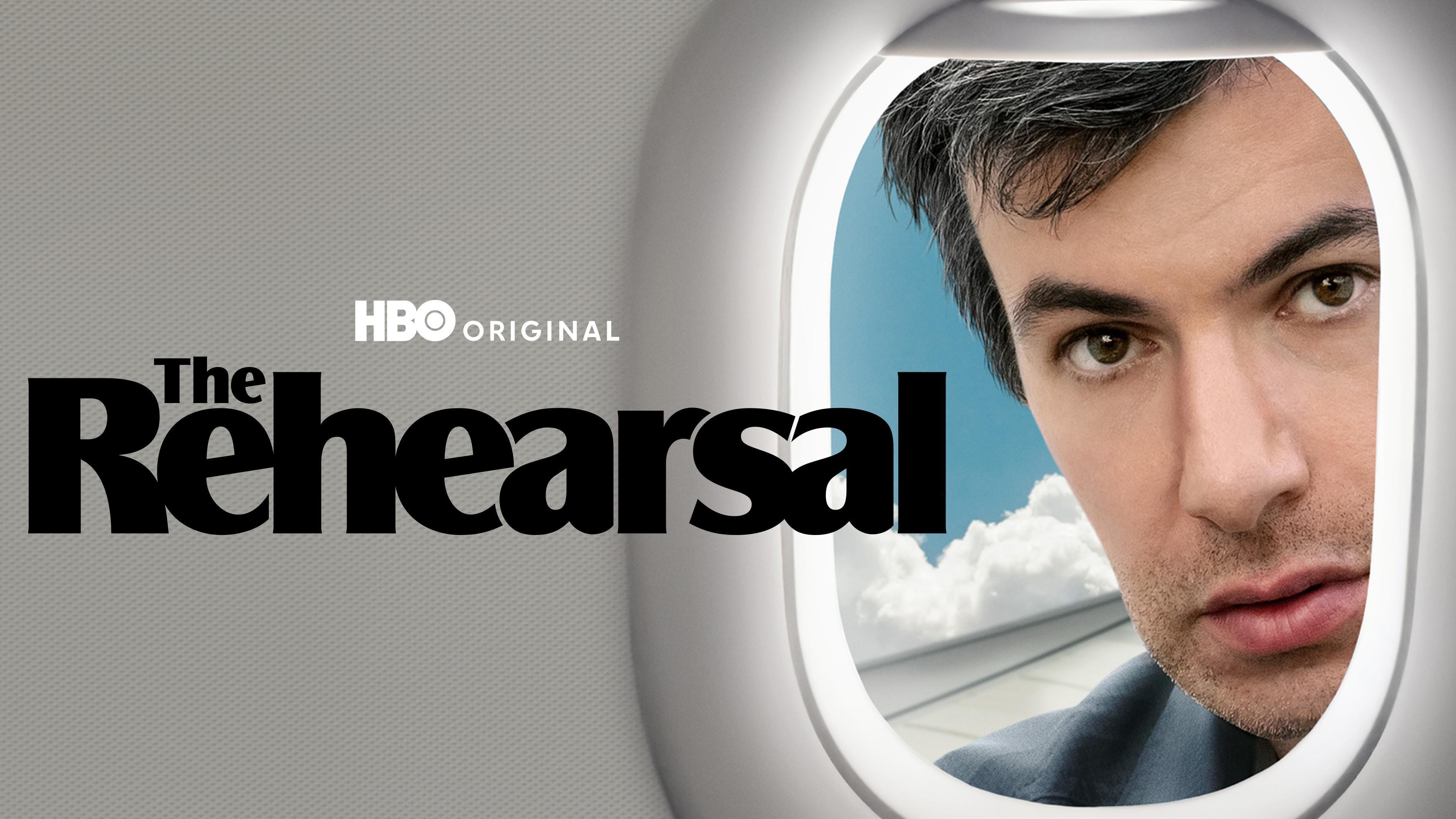
Favorite Series: The Rehearsal Season 2
Master prankster Nathan Fielder took his strange form of stunt documentary to new “heights” when he re-enacted Captain Chesley “Sully” Sullenberger’s life (as derived from his clearly ghostwritten memoir) in an effort to become a better pilot. The fact that that episode ended with a re-enactment of Sully’s famous 2009 “Miracle on the Hudson,” when he successfully landed his bird-struck commercial plane on the Hudson River, supplying the theory that Sully might have listened to the chorus of Evanescence’s “Bring Me to Life” to help psych himself up for the landing, brought me and many others to tears of laughter.
There isn’t much like The Rehearsal. What Fielder is doing is entirely singular, with the added edge that it’s all for a good cause—this season was in the mission of improving pilot communication and safety.
In Case You Missed It
Once again, much of my best work came out with Princeton Alumni Weekly this year. I’m particularly proud of my L.A. fire coverage for the magazine, cathartic to write as I too ended up evacuating to avoid the smoke. Other highlights include my profiles of New York Times food critic Ligaya Mishan and documentary filmmaker Cecilia Peck, as well as my investigation into the world of internet hate speech in my longest and most sophisticated feature ever—Where Hate Hides.
For PAW, I also wrote several history pieces, including on the Princeton presidential “conclave,” religious scholar (and Xerox junkie) Georges Florovsky, and problematic missionary Jonas King.
For LARB, I wrote a long-form essay about the “Greek Weird Wave” of films—and the economic and political crises that have informed them.
In a different field, for Allrecipes I profiled Taos artist and chef Anita Rodríguez and explained how to make her stovetop enchiladas for the “Chicana on the run.”
Last spring, I had the privilege of speaking on a panel honoring David Lynch’s life and legacy alongside luminaries like Rick Moody and Lynch’s longtime DP, Frederick Elmes.
On this blog, I conducted interviews with the writers Rosecrans Baldwin, Aaron Robertson, Eric Cline, Alex Cristofi, Sophus Helle, Karen Emmerich, and Case Q. Kerns.
Upcoming Books
Last but not least, I have two new books under contract as of this year. The first, Someone Will Remember Us: A Novella, will appear in 2027 in the latest edition of Running Wild Press’ novella anthology series.
Here’s a taste, through my synopsis:
When we meet seasoned reporter Zachary Ryder, he’s on assignment in the island of Lesbos, covering the migration crisis afflicting Greece. Recovering from a brutal ordeal in which he was captured and tortured by Islamic extremists hiding out in the rural American West, Ryder thinks the Greek sojourn will be a respite of sorts, a cold examination of an international tragedy that he can have no real impact in addressing. But that all changes when he witnesses an Afghan woman nearly drown looking for her son, who has seemingly vanished into thin air. Springing into action, Ryder vows to find out what happened to the missing boy, leading him on an investigation into the seamy heart of darkness in the Greek migration system. He’s guided by the drunken, failed Greek journalist Nikos, but he’s more intrigued by the assistance of Nikos’ alluring sister Angeliki, an activist who has made it her life’s purpose helping the new arrivals. Energized, Ryder hopes his quest will reunite a family splintered by war and exile. But as the dark seeds of conflict cloud over the island, and Ryder is pursued by a member of the Greek intelligence services, he becomes increasingly desperate—will his effort be too little, too late?
The second book will also involve Greece, but in a different vein. Greece at the Turning Point: Remembrances of U.S. Foreign Service Families Living and Working in Postwar Greece, is under contract with Routledge, and co-edited with Gonda Van Steen, and will also appear in 2027.
Greece at the Turning Point presents a “collective memoir” of the Marshall Plan in Greece from the perspective of its American administrators in Athens. It offers an inside look at the personal lives and frustrations of an American diplomatic corps that experienced its first foray into managing foreign aid on behalf of a global superpower.
This book is an outgrowth of my previous academic article on the same subject, which I’ve written about on this blog.
Do continue to follow The Usonian for updates as these two projects approach the finish line.
To Conclude
My many thanks to all who have read this newsletter and followed The Usonian this past year. Whether you just joined or have been here from the start, it’s been a pleasure to make your acquaintance as we’ve navigated this swiftly changing world! Season’s greetings and Happy New Year!
Congrats on getting your book contracts and all your other great writing this year! You're finally getting some of the recognition you deserve 😊