Usonia 250
Forget America. The Usonian is celebrating five years of emails.


America celebrates its 250th anniversary of independence in a couple days, and though the vibes are kinda bad, with algal blooms fungifying reflecting pools and the performance of The Running Man-esque feats of violence on federal grounds to satiate His Excellency, we do have a lot to think about, and appreciate, despite the nation’s ongoing post-COVID fever.
The United States is most definitely not a perfect place, and has an exceptionally dark history (the two strains that have infected the American consciousness the most may be the fact we were founded by religious fundamentalists in Boston and greedy pirates in Virginia).
However, the virtue of the country’s design is that it is explicitly always striving for a “more perfect union”—reaching toward life, liberty, and the pursuit of happiness in a democratic, garrulous Philly-Quaker style, goalposts most other nations were not initially founded upon. These values are worth preserving. And we must work hard to preserve them.
I’m reading Sarah M. S. Pearsall’s excellent new history of the American Revolution right now, Freedom Round the Globe, which situates the march toward U.S. independence with a global perspective. If the Seven Years’ War (1756–1763) (a.k.a. the French & Indian War) was sort of the first world war, then the American Revolution, she argues, was also sort of a world war, as other British colonies in Canada and the West Indies mulled over—and sometimes violently resisted—joining in the tea-dumping fun. (Meanwhile, a rebellion in South Asia drew down British reserves so that they didn’t have as many troops and resources to subdue the Americans—sounds a bit familiar, doesn’t it?)
But back to America’s unfinished pyramid. Usonia as an idea came from James Duff Law, who in 1903 envisioned an American name without colonial connotation (as in, not named for an Italian dude). In 1905, linguist Gaston Moch added the word “Usono” to refer to Americans in L.L. Zamenhof’s constructed language of Esperanto. And in the 1920s and 1930s, Frank Lloyd Wright adopted the label to apply to a style of buildings that could be singularly American, as opposed to European. (It was in his architectural style, of course.)
Usonia, as such, is an utopian ideal, and this newsletter tries to plumb the depths of what it means to design an ideal city, design an ideal narrative. (Sometimes other things, like examining a divided island and various clanker incursions).
If you’ve enjoyed this newsletter over the past five years, thank you so much for your support. I’ve appreciated being in a conversation with my readers, and I hope the conversation can continue for years to come.
That said, if you do want to support me a little bit more, I am doing a promotion for paid subscriptions timed with the anniversary…

The Usonian 5-Year Discount
As part of The Usonian’s milestone:
I’m offering 25% off new subscriptions (both MONTHLY and ANNUAL) through the end of July 31, 2026. Our BEST DEAL EVER! DON’T MISS IT!
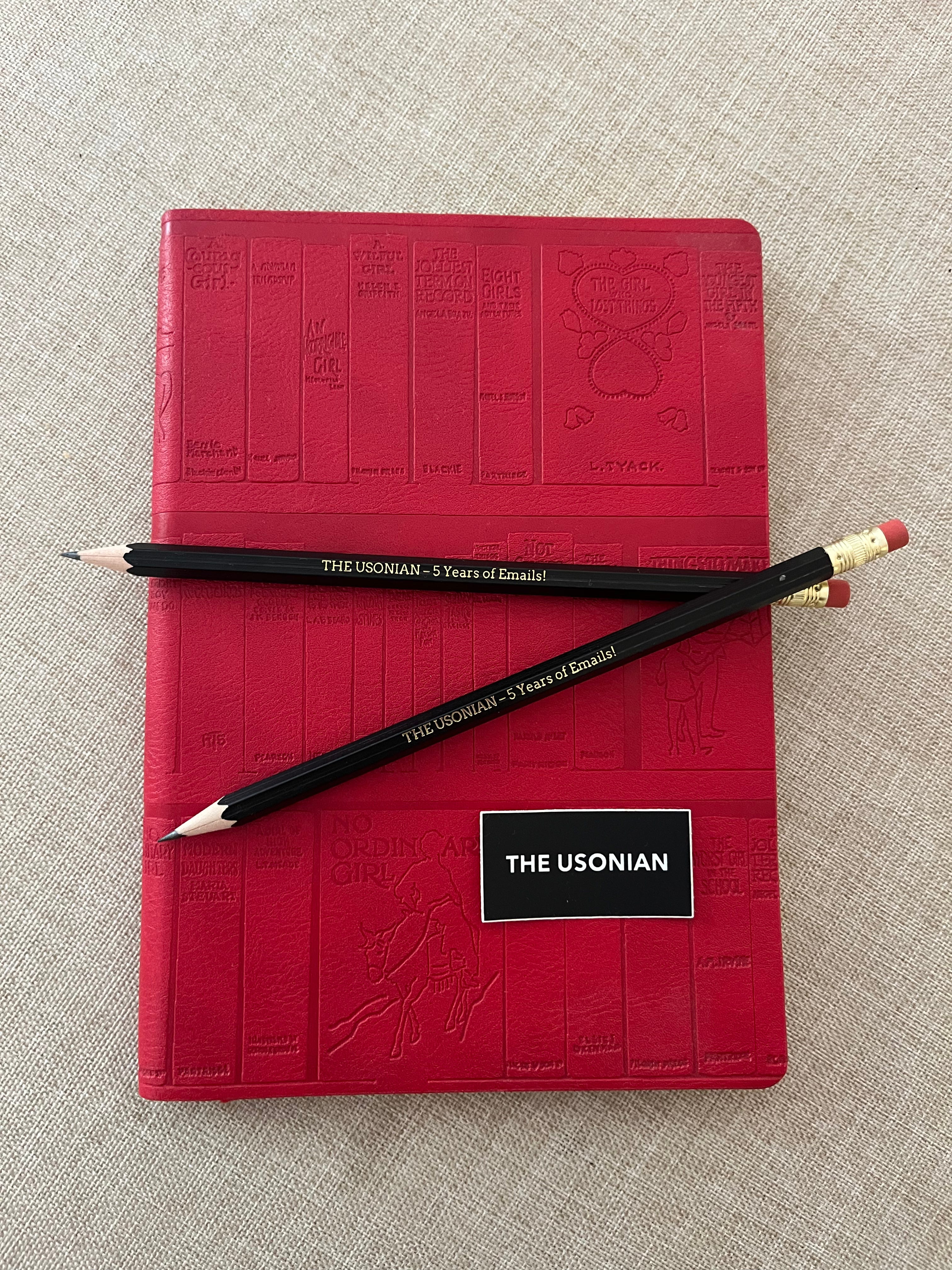
New and returning paid subscribers will receive an EXCLUSIVE COMMEMORATIVE PENCIL. Now you’ll be able to write your own blogs by longhand!
Paid subscribers will continue to receive monthly Usonian+ exclusive posts (paywalled to everyone else).
A Century of Route 66
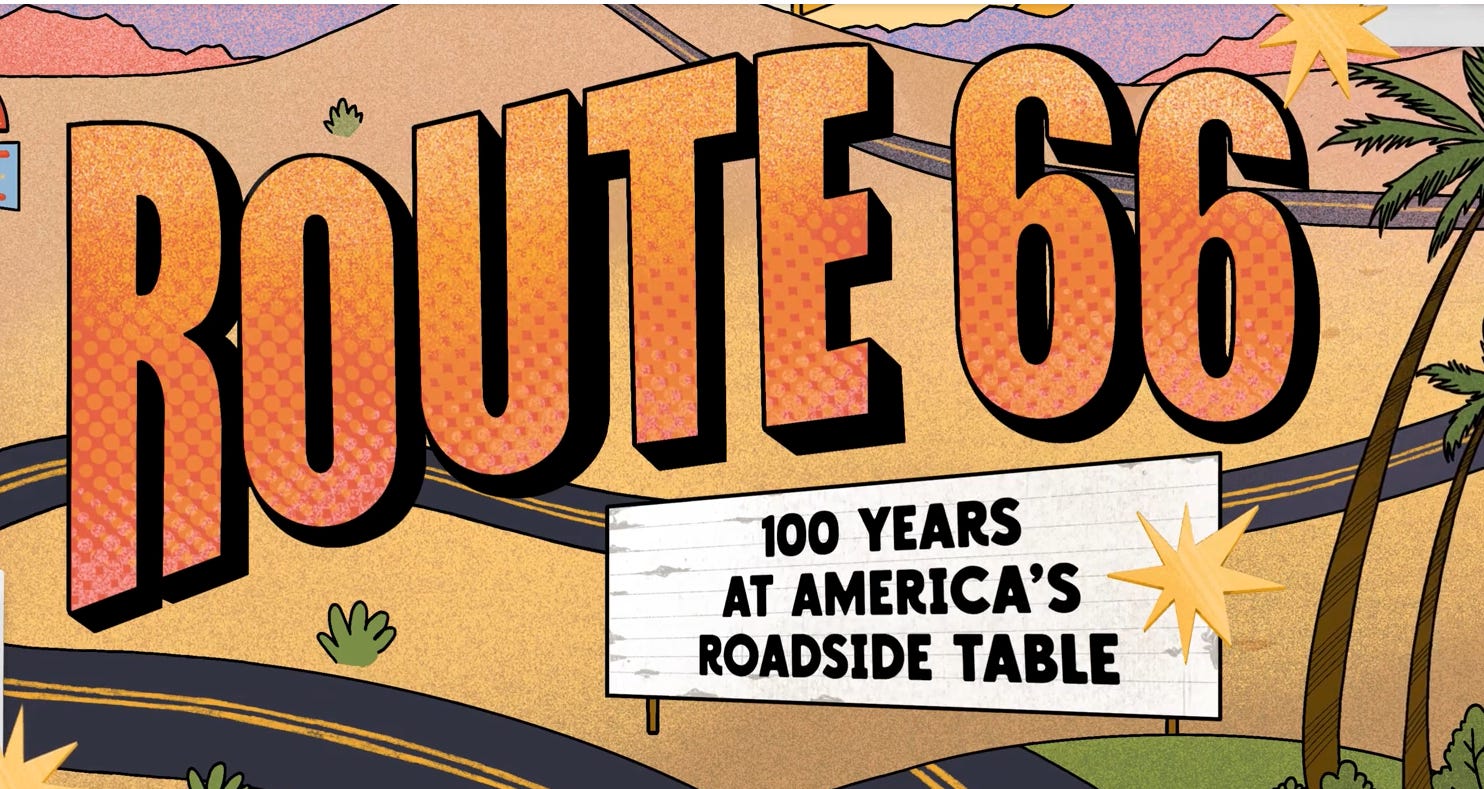
Meanwhile, for more patriotic milestones, I encourage you to check out AllRecipes’ editorial package celebrating 100 years of excellent homespun dining along Route 66.
I was proud to participate in this initiative celebrating the Mother Road, contributing a story about the best restaurant in the rural (and historic!) Pecos, New Mexico—located INSIDE A SHELL-BRANDED GAS STATION.
I’ve spent a lot of time on Route 66, whether at its Western home stretch in Pasadena and Santa Monica, but also in New Mexico.
So the next time you’re on America’s most cherished highway, you’ll know where to stop for lunch.
That’s all for now, folks. Enjoy the barbeque.