
The ghost editor
On my shadow career as a book development consultant

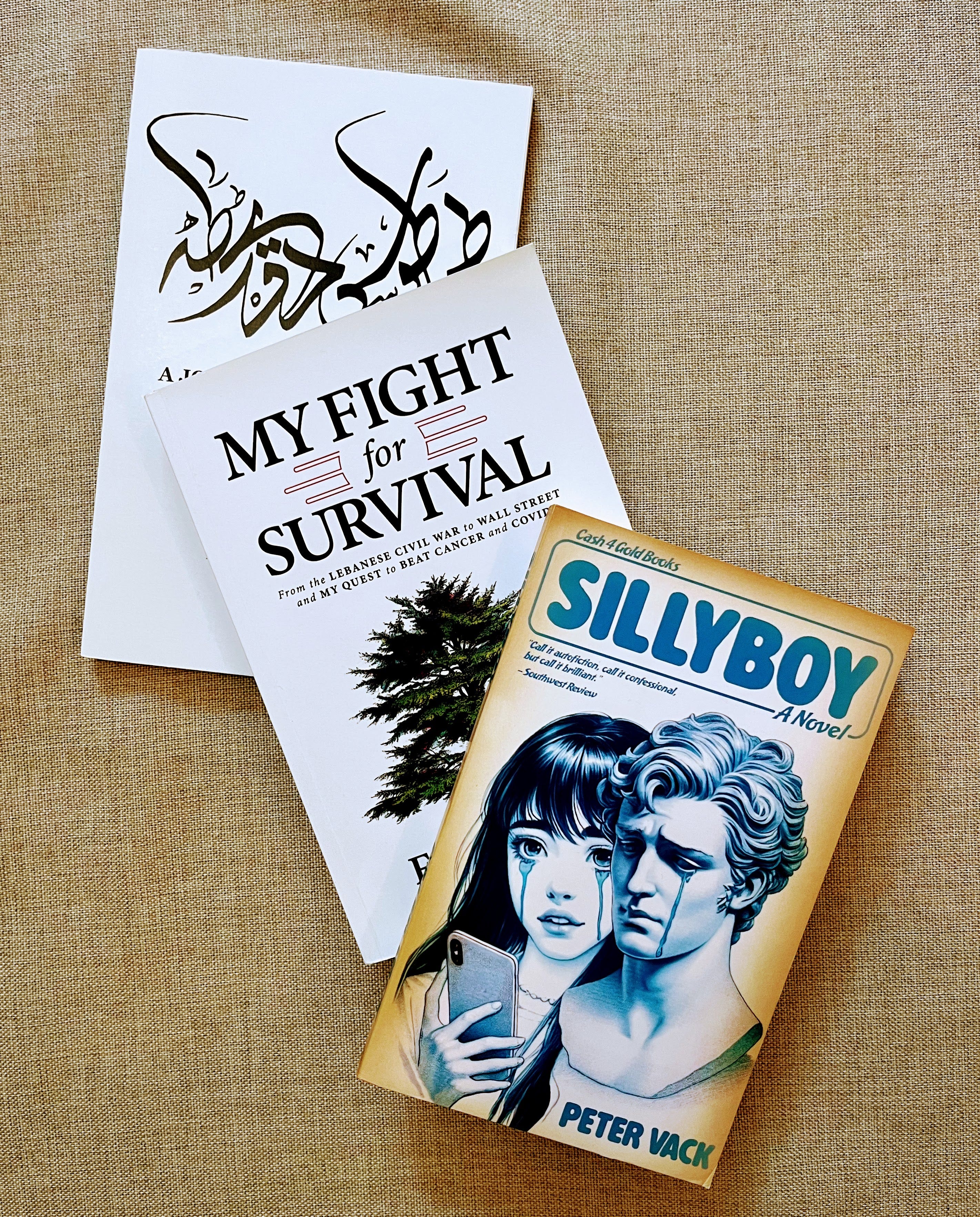
When you ask a child what they want to do when they grow up, they might say astronaut, paleontologist, or truck driver. You know what never comes up? “Book development consultant.”
It’s true—I didn’t always envision becoming a “book development consultant,” either.
I’d spent years building up an eclectic résumé: cub reporter in Taos, MFA student, Fulbrighter, Hollywood screenwriter, and of late, Princeton alumni whisperer.
Eventually, would-be authors started asking if I’d read their manuscripts. After a while, I realized I was good at it. And so began my side hustle as a book development consultant—what some call a “literary midwife.”
Book Midwifery
Most people think a book consultant reads a manuscript, says “you’re a genius,” and if they have to, maybe work in some line breaks.
A book consultant does more than that. I read and evaluate a client’s vulnerable creative work, a story they’ve been carrying around for years and help them figure out how to tell that story in the best possible way.
The primary problems usually structural. Maybe the story starts in the wrong place. Often, the text doesn’t have chapters, or heck, paragraphs. Put another way, it’s usually the “narrative architecture” that needs work.
That’s part of the reason why I’ve spent five years writing about narrative architecture for The Usonian. The similarities between designing a building and a story have a lot more in common than you might think.
A story is like a Le Corbusier building: it needs pilotis, curtainwalls, and staircases between levels. Occasionally, a story (like a failed modernist housing project) needs to be completely razed and rebuilt. That may be the most difficult advice to give and receive, but in the long run, it can be the most rewarding.
Part of the role is helping clients keep the faith that their story is worth telling. Losing faith happens to everyone in this business. What you felt was brilliant in the middle of the night might feel like a hot mess when you read over the MS a month later.
In that very common and relatable scenario, I can recognize the value in what you’ve accomplished—and where we need to go from there.
And I get something out of it too, besides fees. Each project has allowed me to travel into a different world. I’ve learned about the hard-fought battles of the Lebanese Civil War, what it was like to grow up in a Syrian village, and the singular pain of an earth-shattering breakup as a celebrity actor. But learning about other lives? That’s pretty cool, and it’s why I became a writer in the first place.
Clanker City will exclude the library
The specter of AI has made it seem like it will replace us in our jobs and even cause us to lose our ability to think and write. (Case in point: an AI recently solved an extremely difficult math proof that no human has been able to figure out). In a landscape like that, does anything we do actually matter?
The reason why we read stories is to hear the human voice. I buy a book at the indie bookstore (or certain unnamed mega-retailers) because I’m curious about the perspective of the human author and how their experience is brought to bear on the world. I’m not all that interested in what an AI has to say about growing up whirring and grinding code and draining electricity and water reserves in a Nevada data center. (Though I guess that COULD be interesting).
So yeah—this week I wanted to share a little bit about this side of my business. It may not be the sexiest aspect of being a working writer, but it is definitely an unexpectedly rewarding part of it.
“Working with Harrison on my father’s memoir was one of the best decisions I made. He had an extraordinary ability to listen deeply, ask the right questions, and translate scattered memories and disorganized stories into a coherent, compelling narrative.
“Throughout the process, he was thoughtful, organized, and cost-conscious. The final manuscript exceeded my expectations — honest, engaging, and beautifully written. I’m profoundly grateful for his dedication, and I recommend him without hesitation to anyone considering telling their story.”
– Mike Rustum on Youcef Mikhail Rustum’s A Journey of a Lifetime
“Harrison helped me translate my dramatic life story into prose with the needed pacing and emotional reflection to make my manuscript a gripping, powerful read. His attention to detail and sympathetic, collaborative personality made a challenging project a highly rewarding one.
“That goes without saying — Harrison’s deep knowledge of my region of the world (the Middle East) was an added bonus in a terrific partnership.”
– Fady Rizk, bestselling author of My Fight for Survival
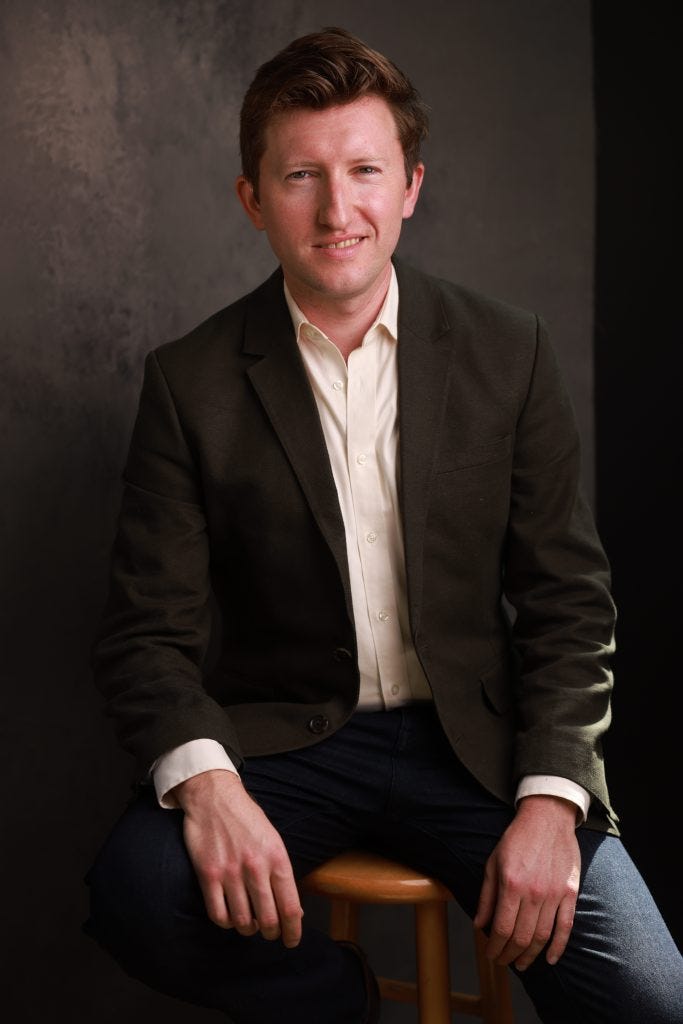
If you’ve got a story you’re trying to figure out—a memoir, a novel, a family history, something that doesn’t quite have a name yet—I’d love to hear about it. Find out more about my book development consulting services at harrisonblackman.com, or reach out directly at hb.batonentertainment[at]gmail.com.
And if you found this useful, consider sharing this post with someone who’s been meaning to write their book for the last five years.